



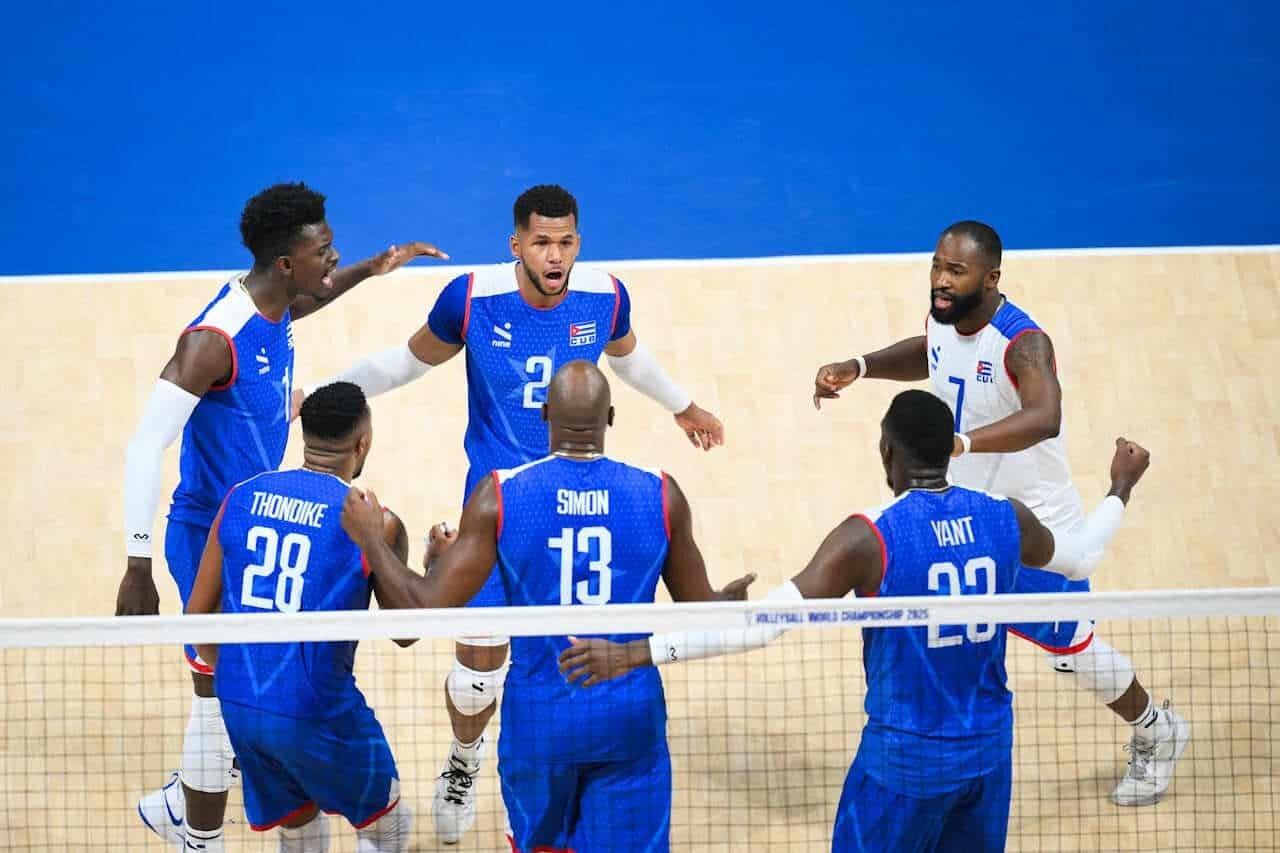
The 2025 FIVB Men’s Volleyball World Championship, hosted in the Philippines, is more than just a sporting event. With 32 of the world’s best teams competing, the tournament has captured the attention of fans, athletes, businesses, and governments. Beyond spikes, blocks, and rallies, the championship has become a mirror reflecting deeper truths about globalization, national pride, and the business of sports.
For the Philippines, hosting the event is both a logistical challenge and a diplomatic triumph. For teams, it is the pinnacle of years of preparation. For fans, it is a spectacle of athleticism and drama. And for businesses and policymakers, it is an opportunity to harness the growing global appeal of volleyball.
At its core, this championship is about one word: sportsmanship — not only on the court but in the way nations, institutions, and communities engage with the game.
Why the Championship Matters
Volleyball is one of the most widely played sports globally, with roots stretching from school playgrounds to Olympic arenas. The Men’s World Championship represents the highest level of competition, and its significance lies in:
-
Prestige: Winning is not just about medals; it’s about national pride and global recognition.
-
Development: The tournament inspires young players worldwide to dream bigger.
-
Diplomacy: Sports often succeed where politics falters, creating bridges between nations.
-
Economics: The event generates millions in tourism, broadcasting, and sponsorship revenues.
For the Philippines, this is the most high-profile volleyball event it has ever hosted, offering a chance to showcase itself as a hub for international sports.
The Philippines as Host
The Philippines’ role as host is significant. Known for its passion for volleyball at the grassroots and collegiate levels, the nation has now taken the bold step of hosting a global event.
-
Infrastructure: Upgrades to arenas, transportation systems, and accommodations have been rolled out.
-
Tourism Boost: The influx of athletes, fans, and media injects money into the local economy.
-
National Pride: Hosting a world-class event strengthens the Philippines’ identity as a sports-loving nation.
-
Diplomatic Capital: Successfully hosting the championship enhances the country’s global standing.
The challenge is to ensure the benefits outlast the final whistle. Investments must be sustainable, leaving behind infrastructure and systems that serve the people long after the championship ends.
The Competitive Field
Thirty-two teams, including powerhouses like Brazil, Poland, Italy, and the United States, bring both pedigree and rivalry to the tournament. Emerging nations, including hosts Philippines, see this as a chance to punch above their weight.
-
Favorites: Brazil and Poland, with multiple world titles, remain favorites.
-
Challengers: Italy, the U.S., and Russia are pushing hard to reclaim dominance.
-
Underdogs: Teams from Africa and Asia bring unpredictability, offering fresh narratives.
The diversity of participants makes the championship a truly global festival of volleyball.
Implications for Businesses
Sports is no longer just a pastime; it is a multi-billion-dollar industry. The 2025 championship offers lessons and opportunities for businesses:
-
Sponsorship Visibility: Brands gain exposure to millions of viewers across continents.
-
Tourism and Hospitality: Hotels, airlines, and restaurants in the Philippines enjoy massive demand.
-
Media and Broadcasting: Rights deals and streaming platforms capitalize on the surge in viewership.
-
Merchandise and Retail: Jerseys, memorabilia, and merchandise generate revenue and brand loyalty.
For Nigerian businesses, the lesson is clear: sport is an economic driver. With Nigeria’s youthful population, investment in sports infrastructure and events could yield both social and financial dividends.
Implications for Governments
Governments also stand to gain from global sporting events:
-
Soft Power: Hosting enhances a nation’s image, showcasing stability, culture, and capacity.
-
Youth Development: Investment in sports inspires youth, promoting discipline, teamwork, and health.
-
Economic Growth: Infrastructure projects tied to events create jobs and stimulate the economy.
-
Policy Leverage: Success in sports often translates into stronger diplomatic relationships.
For Nigeria, whose sports potential is immense, the Philippines’ hosting of the championship offers inspiration: investing in sports can boost national pride, unity, and global recognition.
Implications for Citizens
For ordinary people, the championship means excitement, inspiration, and community. Fans in the Philippines and beyond experience:
-
Entertainment: World-class volleyball at their doorstep.
-
Pride: Seeing their nation on the global stage.
-
Opportunity: Jobs created around hospitality, media, and logistics.
-
Inspiration: Young athletes gain role models, fueling grassroots sports.
The festival atmosphere also fosters national unity, giving citizens something to celebrate together beyond politics or economic struggles.
The Globalization of Volleyball
The World Championship reflects how volleyball is becoming more global. Once dominated by Europe and South America, the sport is expanding in Asia, Africa, and the Middle East. This globalization carries:
-
New Markets: Companies see opportunities in emerging volleyball nations.
-
Diversity of Talent: Players from unconventional regions are breaking stereotypes.
-
Cross-Cultural Exchange: Teams and fans interact across cultural lines, fostering understanding.
Volleyball is proving that sport is a universal language.
Challenges and Risks
No event of this scale is without challenges:
-
Logistics: Ensuring smooth transport, accommodation, and security for thousands of visitors.
-
Costs: Hosting is expensive; the Philippines must avoid white-elephant projects.
-
Security: Large gatherings attract risks, requiring robust safety measures.
-
Equity: Ensuring that ordinary citizens benefit, not just elites or corporations.
Addressing these challenges will determine whether the championship is remembered as a success or a missed opportunity.
The Lesson for Nigeria
Nigeria, though not a volleyball powerhouse, can learn from the Philippines. With its youthful population, passion for sports, and untapped potential, Nigeria could:
-
Invest in sports infrastructure that doubles as community hubs.
-
Bid for regional tournaments to build hosting capacity.
-
Use sports as a tool for national unity and diplomacy.
-
Nurture grassroots talent to compete on global stages.
Sports is not just entertainment — it is a development tool, a branding strategy, and a business opportunity.
Sportsmanship as a Global Value
The 2025 FIVB Men’s Volleyball World Championship is about more than volleyball. It is about sportsmanship in the broadest sense — fairness, unity, resilience, and mutual respect. For the Philippines, it is a chance to shine. For businesses and governments, it is a case study in leveraging sports for growth. For citizens, it is a celebration of possibility.
The question for Nigeria and other emerging nations is simple: will they watch from the sidelines, or will they embrace sports as a driver of economic, cultural, and social transformation?
As the tournament unfolds, every spike, serve, and save carries a message: in a divided world, sport remains one of the few arenas where humanity comes together, not as rivals in politics, but as players and fans bound by the spirit of the game.
