



In a nation still grieving from one of its deadliest mass killings in recent history, President Bola Ahmed Tinubu has stepped into the epicenter of sorrow—Benue State—with a fiery commitment to end the bloodshed once and for all.
Following the Yelewata massacre that claimed over 200 lives in Guma Local Government Area, Tinubu convened a high-powered peace committee, bringing together former governors, federal officials, traditional rulers, and security chiefs in what is being described as a last-ditch effort to save Benue from a spiraling collapse.
“We were elected to govern, not to bury people,” the President said at a packed town hall meeting in Makurdi. “This tragedy must be converted into prosperity—and I will invest in that peace.”
The Committee of Conscience
Among those appointed to the Benue Peace Committee are:
-
Gen. Atom Kpera (retd.), former military governor
-
Senators George Akume, Gabriel Suswam, and Samuel Ortom
-
The Tor Tiv, HRM Prof. James Ayatse
-
The Ochidoma, HRM Dr. John Elaigwu
Tinubu also called for the inclusion of non-indigenes, urging Governor Hyacinth Alia to adopt a broad-based, inclusive approach to peacebuilding.
“Let’s build synergy with Nasarawa. Let this not be a tribal campaign—it must be a national healing effort,” he added.
⚰️ Massacre in Yelewata: Not “Clashes,” But “Calculated Genocide”
The Tor Tiv, in a moment of striking clarity, rejected the use of terms like “herder-farmer clashes.”
“This is not communal strife. It is a planned genocidal campaign,” he told Tinubu.
Many victims of the Yelewata attack were internally displaced persons (IDPs) who had fled previous violence. Homes were torched, bodies burned, and hundreds remain unaccounted for.
Despite military presence, no arrests have been made, prompting Tinubu to publicly rebuke security chiefs.
“Why are we not arresting anyone? I want these criminals in custody—immediately,” he said to the IGP and Defence Staff.
Benue Bleeds While Politics Plays
Beyond the tragedy lies a chilling political undercurrent. Amnesty International, the Northern Elders Forum, and youth religious groups have all described the attacks as “state failure and political complicity.”
The Northern Elders declared:
“This is not ethnic conflict. It is an internal political crisis, enabled by criminal negligence and systemic collapse.”
From Death to Development: A Call for Federal Action
Governor Alia, while thanking the President for the visit, called for a Special Intervention Fund for Benue.
“We are tired of rebuilding from ashes. We need federal support to reconstruct homes, restore farms, and give our people dignity again.”
Tinubu agreed, directing the Minister of Agriculture to work with Alia to provide land for ranching and bolster food security.
“Human life is worth more than cows,” the President said bluntly.
️ Will This Finally Be the Turning Point?
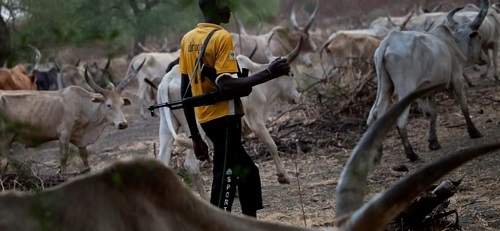
For decades, Benue has been locked in a vicious cycle of conflict, displacement, and neglect. With the rainy season approaching, residents fear more attacks as herders push into farmlands.
The President’s visit—his first since assuming office—has sparked a mix of hope and hard questions.
Will this peace effort succeed where others have failed?
Will the arrests Tinubu ordered be made?
Or will Benue remain, as the Northern Elders warned, “a killing field marked by silence, helplessness, or worse—complicity”?
Only time, political will, and sustained action will tell.
