



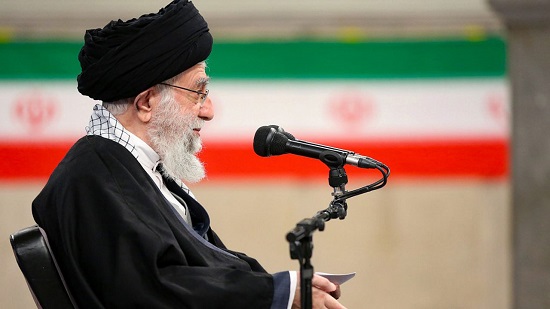
In a move that has sent shockwaves across global diplomatic circles, Israel has openly threatened to eliminate Iran’s Supreme Leader, Ayatollah Ali Khamenei, holding him personally responsible for orchestrating a recent wave of proxy attacks against the Jewish state.
The startling declaration, made Thursday by Israel’s Defense Minister and reported by Al Jazeera, comes after an Iranian missile strike hit the Soroka Medical Center in Beersheba, reigniting fears of a full-scale regional war.
“This man, who is willing to attack us, must not stay alive. Eliminating him is now part of our national defense campaign,” the minister declared, in what analysts are calling the most direct assassination threat ever issued against the Iranian leader.
The Beersheba Bombshell
The renewed hostilities began when an Iranian ballistic missile struck Israeli territory, damaging critical infrastructure and injuring several civilians. Soroka Medical Center, one of Israel’s largest trauma facilities, bore the brunt of the assault.
The attack triggered swift Israeli retaliation, including precision strikes on Iranian nuclear and military sites, which have reportedly left over 240 Iranians dead, including at least 70 women and children.
Proxy Wars and Global Posturing
In a carefully choreographed video address, Israeli Prime Minister Benjamin Netanyahu warned Iranians that the current military campaign could pave the way for internal liberation from oppressive rule. Netanyahu described the ongoing operations as “a decisive blow to the regime of the ayatollahs.”
Meanwhile, former U.S. President Donald Trump—whose presence looms large in the unfolding conflict—added fuel to the fire in a provocative social media post:
“We are not going to take him out… at least not for now. But our patience is wearing thin.”
Trump’s cryptic tone, combined with increased U.S. military presence in the Gulf, has raised alarms that a joint Israeli-American strike on Tehran may be imminent.
Global Fallout: A Region on the Brink
Iran’s Supreme Leader has responded with warnings of “irreparable consequences” should foreign forces target Iranian soil. Yet, Israeli officials remain unmoved, citing Khamenei’s decades-long campaign of “funding terrorism and regional instability” through proxies like Hezbollah and Hamas.
“We now understand his role more clearly than ever,” Israel’s Defense Minister said. “This is no longer a shadow war—it’s a direct confrontation.”
As of today, Iran’s retaliatory strikes on Israel have killed 24 civilians, while Israeli air campaigns continue to target strategic Iranian infrastructure.
A Turning Point in Middle East History?
With tensions higher than at any point in recent years, observers warn the world could be on the precipice of a catastrophic conflict unless immediate diplomatic interventions occur.
Middle East analysts are now comparing the unfolding crisis to the Cuban Missile Crisis, but this time with nuclear-armed proxies and heavily militarized alliances.
The international community is yet to propose a ceasefire, and so far, no nation has stepped up to mediate a de-escalation between the two arch-enemies
