



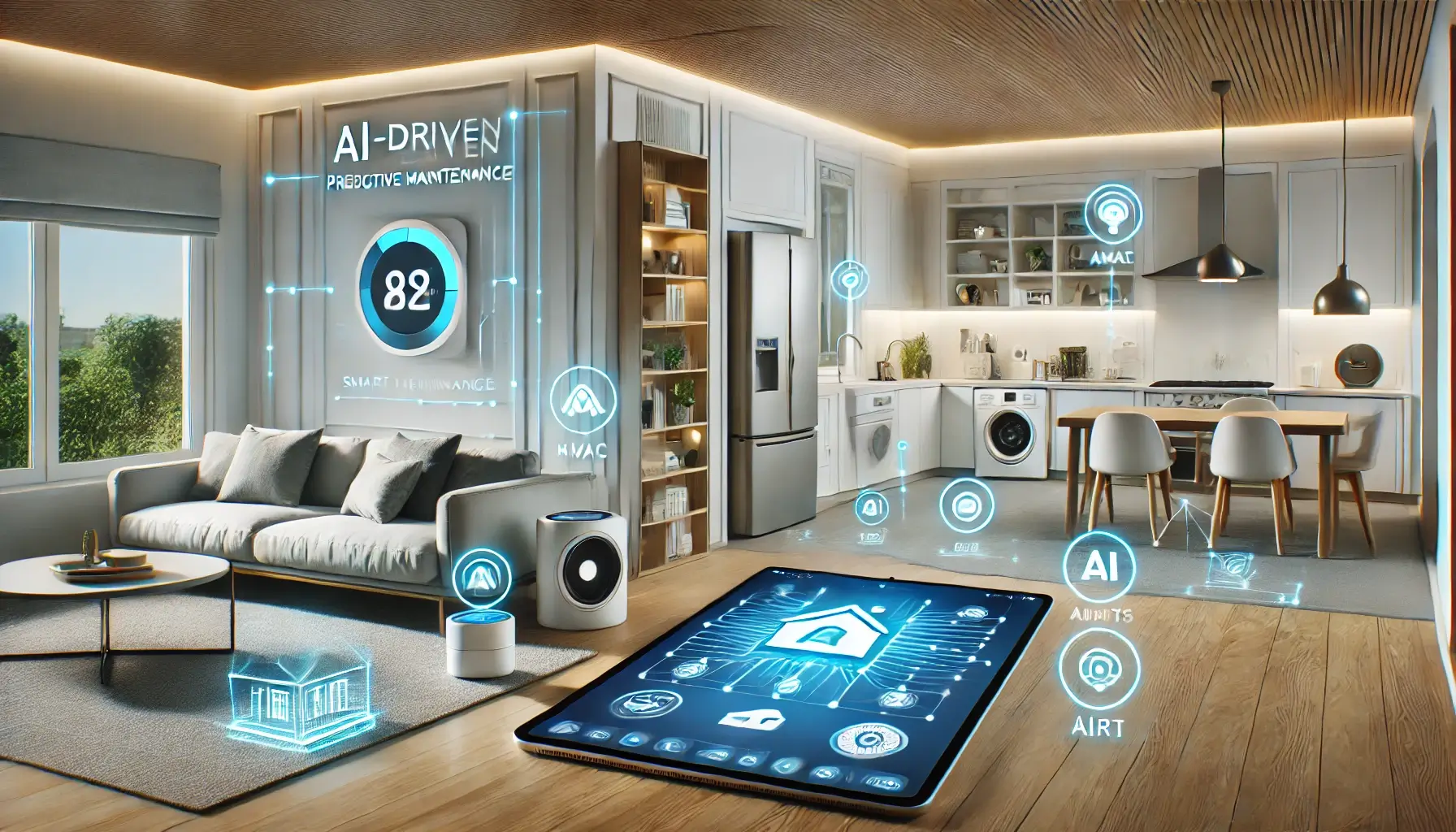
The integration of the Internet of Things (IoT) and Artificial Intelligence (AI) is revolutionizing modern living spaces. The concept of a smart home, once considered futuristic, is now a reality, with connected devices and AI-driven automation transforming how we interact with our living environments. From voice-controlled assistants to energy-efficient home management systems, IoT and AI are enhancing convenience, security, and sustainability in unprecedented ways.
The Role of IoT in Smart Homes
IoT technology is at the heart of smart home automation, enabling devices to communicate with each other and be remotely controlled via the internet. Key IoT-enabled smart home applications include:
1. Smart Security Systems
- AI-powered security cameras and facial recognition technology provide real-time threat detection.
- Smart locks and access control systems allow homeowners to remotely manage entry permissions.
- Motion sensors and alarm systems integrate with mobile apps for instant security alerts.
2. Automated Climate Control
- Smart thermostats learn user preferences and adjust temperatures accordingly.
- AI optimizes energy consumption to reduce electricity bills.
- Integration with weather forecasts allows proactive climate adjustments.
3. Intelligent Lighting Systems
- Motion-activated and voice-controlled lighting enhances convenience.
- AI-driven systems adjust lighting based on occupancy and natural light availability.
- Customizable color schemes improve ambiance and energy efficiency.
4. Smart Kitchen and Appliances
- AI-enabled refrigerators track food inventory and suggest recipes.
- Automated coffee makers and ovens sync with user schedules.
- Voice-controlled assistants help manage grocery lists and meal planning.
5. IoT-Enabled Home Entertainment
- AI-powered virtual assistants integrate with home entertainment systems.
- Smart speakers and televisions offer voice-activated controls.
- Personalized media recommendations enhance user experiences.
The Role of AI in Smart Homes
AI enhances the efficiency and intelligence of smart home devices, enabling predictive automation and personalized experiences. Some key AI-driven features include:
1. Machine Learning for Personalized Automation
- AI learns user behavior and preferences to automate daily routines.
- Predictive analytics optimize energy consumption and improve efficiency.
- Adaptive automation minimizes manual intervention.
2. Voice Assistants and Natural Language Processing (NLP)
- Smart assistants like Alexa, Google Assistant, and Siri facilitate hands-free control.
- NLP allows seamless interaction between users and smart devices.
- AI-driven voice recognition improves accuracy over time.
3. AI-Powered Home Security Enhancements
- Facial recognition identifies authorized individuals and potential intruders.
- AI-integrated security systems detect unusual activities and send instant alerts.
- Real-time threat analysis reduces false alarms and enhances safety.
4. Energy Efficiency and Sustainability
- AI optimizes energy consumption by monitoring appliance usage.
- Smart grids integrate with renewable energy sources for sustainable living.
- AI-driven waste management systems reduce carbon footprints.
Challenges and Considerations in Smart Home Evolution
Despite the numerous benefits of AI and IoT in smart homes, challenges remain:
1. Privacy and Data Security
- IoT devices collect vast amounts of user data, raising concerns about privacy.
- Cybersecurity threats pose risks to connected home networks.
- Strong encryption and regular updates are essential for protection.
2. Interoperability Issues
- Different brands and platforms may not always be compatible.
- Standardized communication protocols are needed for seamless integration.
- Open-source frameworks can improve cross-platform functionality.
3. High Initial Costs
- Smart home devices and AI-powered automation systems can be expensive.
- Long-term energy savings may offset initial investments.
- Government incentives can promote wider adoption.
4. User Adaptation and Learning Curve
- Some users may struggle with new technology interfaces.
- User-friendly designs and AI-powered tutorials can enhance usability.
- Customizable automation levels can cater to different preferences.
The Future of Smart Homes
As AI and IoT continue to advance, the future of smart homes looks promising. Some emerging trends include:
- 5G-Powered Smart Homes: Faster connectivity will enhance device performance and responsiveness.
- AI-Driven Predictive Maintenance: Devices will self-diagnose issues and schedule repairs.
- Augmented Reality (AR) Integration: AR will enhance home design and virtual assistance.
- Blockchain for Enhanced Security: Decentralized systems will improve data security and transparency.
The evolution of smart homes, driven by IoT and AI, is transforming everyday living with enhanced convenience, security, and energy efficiency. While challenges exist, continuous advancements in technology and user adaptability will drive the widespread adoption of fully automated living spaces. As AI becomes more sophisticated, the smart home of the future will be an intuitive, sustainable, and seamlessly connected environment, enriching lives in unimaginable ways.
